Blog 6 - Social Robotics and Emotive
- rijly A
- Nov 12, 2021
- 2 min read

Updated: Nov 13, 2021

In human life, it's becoming more common that the lack of emotional needs, such as loneliness, neglect, not being understood and respected, lack of companionship, and the cost of emotional needs between people, such as time investment, running-in, injury, etc.
With the development of science and technology, filling the gaps in human emotions with robots has become more effective. How to better design the way of human-machine emotional interaction so that robots can meet the emotional needs of people? This is an important question, and our designers should seriously consider it.
In the existing market, I found two exciting social robot products. The first one is the social robot, Paro. Paro was invented in 1998 by a Japanese designer named Takato Shibata. It is a cute white imitation baby seal, bionic from Greenland's baby seal.
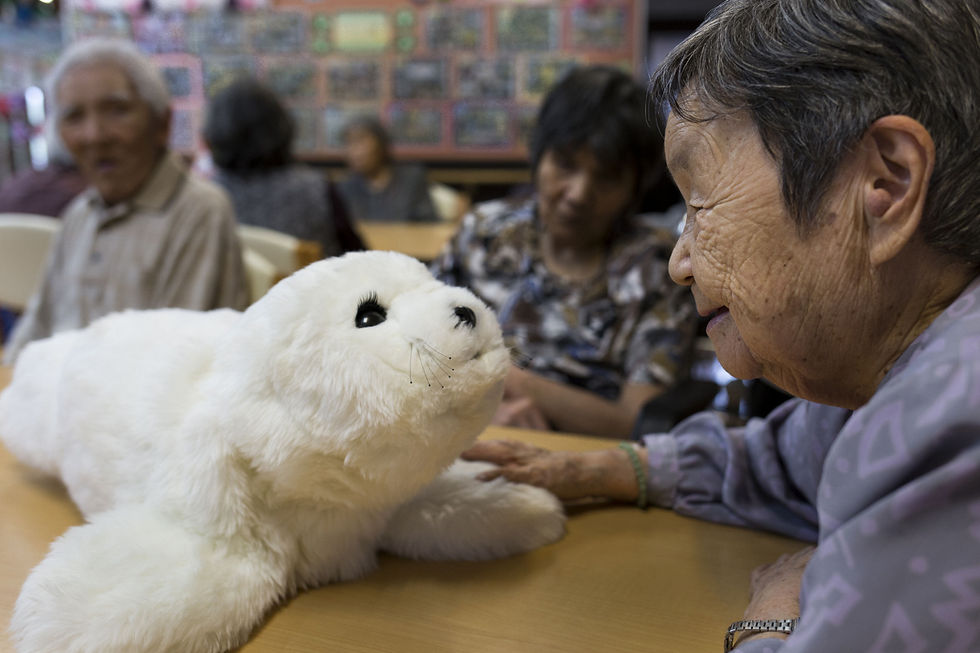
Paro has made an outstanding contribution to helping the elderly stabilize their spirits and even improve their language. It can be said that it effectively solves the problem of loneliness of the elderly.
In terms of function, Paro has installed 12 sensors with different roles, which are distributed on the head, back, chin, limbs, and even beard, which makes Paro have a richer sense of touch like an animal. In addition, Paro has specific mobility, such as its eyelids can be opened and closed. In terms of hearing, Paro also installed a voice recognition system. It knows the direction of the sound, what compliments and greetings are, and what anger is, and it can also learn its name. In addition, its photosensitive device can distinguish between day and night, and its position sensing device can determine whether one is being held or facing the owner.
The second is the pet robot Lovot, which is like the pet cat of the future. Lovot has about 50 cameras and sensors built into the tentacles on its head to recognize human faces and the body heat of people and other animals. It is often sold together with two; these two Lovots will play together and compete for your love. Of course, when you decide to adopt them, you must also realize that they are noisy sometimes and need to be "cared for."

I think that in the future, if you want an intelligent robot in the future, you have to spend time cultivating it, just like educating your children and training them to be satisfactory partners. Artificial intelligence robots are just like human beings. They also have infancy and need to be taught patiently. Therefore, knowing how to train and care the social robot might become the consciousness and thinking ability that everyone should have in the artificial intelligence era.
Paro robot
Lovot robot

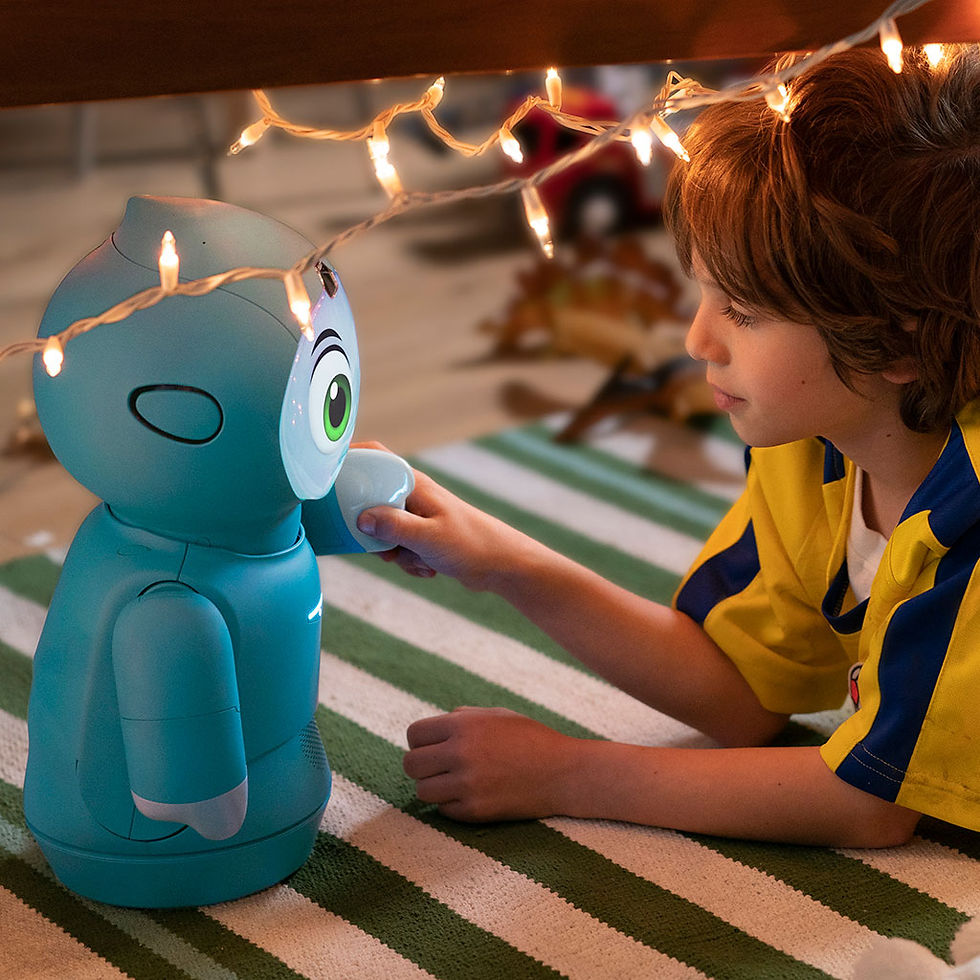

I like the idea of caring for a social robot, especially an animal social robot, because I think it would have cognitive benefits on the user. It's similar to caring for a plant—you water your plant and then it reminds you to drink water yourself. I think it also makes the user feel more in control and like they can trust the robot more, which is crucial to wide adoption of social robots. I also like how Paro and Lovot are made of softer materials, resembling animal fur—I think that's more inviting and makes people want to interact with it more.
Hi Liheng, thanks for sharing! I thought it was interesting that the two Lovots come in pairs and as you wrote, "compete for your love". Do you think the benefits they offer as a pair greatly out weigh the benefits they offer individually?
I also thought it was interesting that both social robots, Paro and Lovots, need to be "cared for" by the human -- I feel like there's a fine line between the idea of companionship and the feeling of being needed. With the growing epidemic of loneliness, I am looking forward to seeing how social robots will attempt to solve this!