Blog 2 - Systems and Automation
- rijly A
- Oct 3, 2021
- 2 min read

Updated: Oct 10, 2021
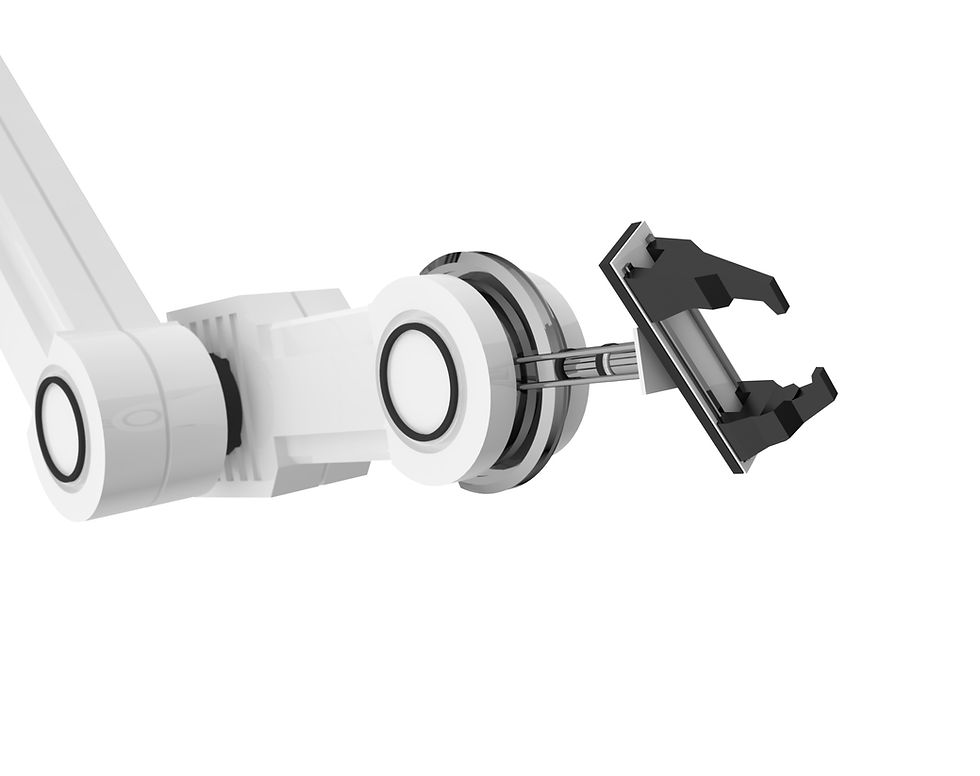
Since computers became ubiquitous in the 1950s, automation has been one of the most talked-about topics. As computers and robots become more intelligent, they take on more and more of the work that humans would have done.
If in the past automation could replace manual labor, then with the development of electronic and information technology, automation has expanded to replace manual labor and replace or assist mental work to complete specific tasks automatically.
There is no doubt that this has brought a series of benefits to our workers, like health and safety. Before the advent of automation, the average working week was about 70 hours. Without the help of automated machines, work-related injuries caused by excessive physical stress and uncomfortable active posture were common.
As robotic systems develop and improve, robots are not only becoming more efficient, but their prices are also falling. These factors drive a growing number of companies to turn to such technologies to reduce or avoid risks to human employees.
But is the rapid growth of automation today a good thing when human labor accounts for a shrinking share of society's goods and services?
It's hard to answer. Most human self-worth is determined primarily by the contributions we make to the production of goods and services and is reflected in the wages we receive for doing so. What can be done if, for example, the contribution of human work is no longer needed in society? Will human outcomes be ruled by automation and robots, as in science fiction and movies?
I've attached some papers below for you to discover more.
Automation And The Future Of Work - How Engineered Systems Are Improving The Workplace
Millions of Americans Have Lost Jobs in the Pandemic—And Robots and AI Are Replacing Them Faster Than Ever

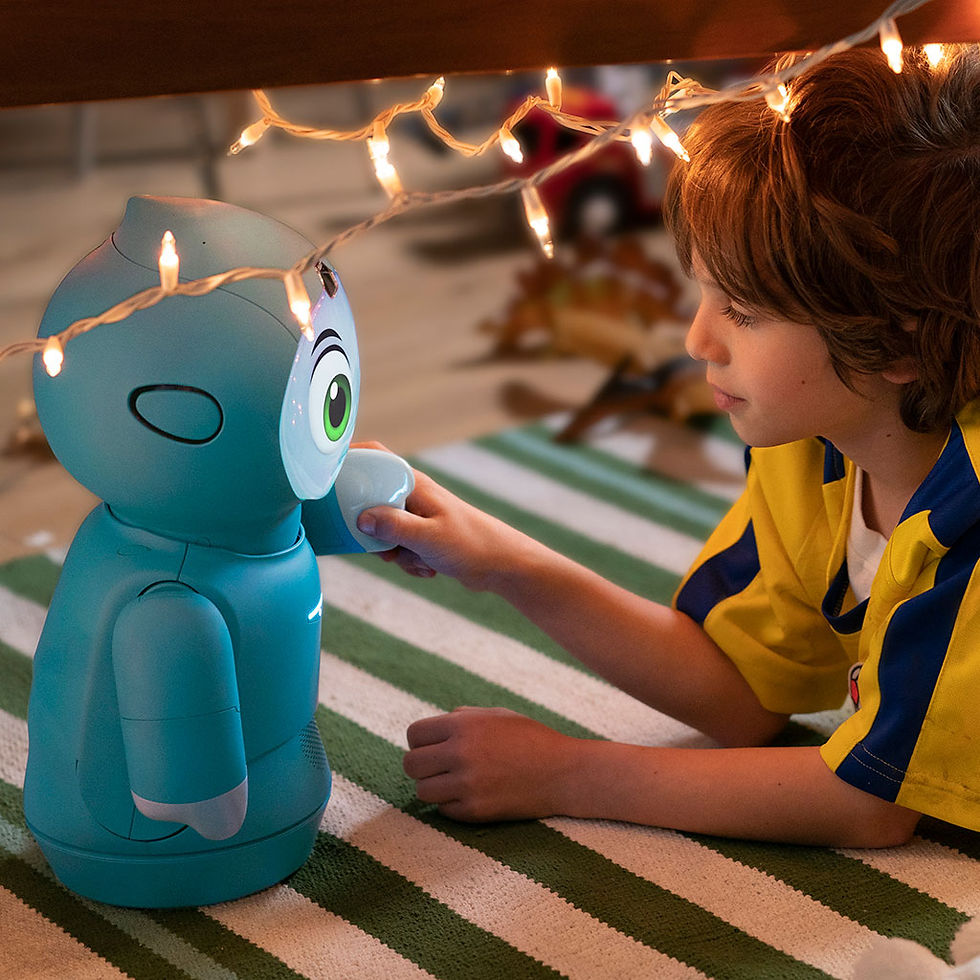

Hey Liheng, thanks for bringing up both the pros and cons of future automation, I definitely think it's important to talk about both sides. I too wonder if more automation will harm us or hurt us as humans. On one hand, I think if we automate repetitive and mundane tasks, then people will have more freedom to engage in creative tasks or tasks that are more enjoyable to them. On the other hand, I think this may be too idealistic and who am I to judge whether a repetitive task is mundane or unenjoyable to someone. It also may be hard to prevent people from automating tasks that are more creative and perhaps not repetitive.
Hi Liheng, I agree and feel it is worth thinking of the negative consequences that automation could bring to our society, as most of the conversation today tends to focus on the positives. While automation can certainly create a more equitable society, for example, by assisting the elderly and disabled in their daily lives, it does present a major problem for our current employment-centric society. If all the services that we currently employ humans to do are passed on to machines, what happens with the livelihood of those people? Will our governments evolve to start valuing time as a currency and depend less on human labor? Very exciting and daunting stuff.